
Shrubs
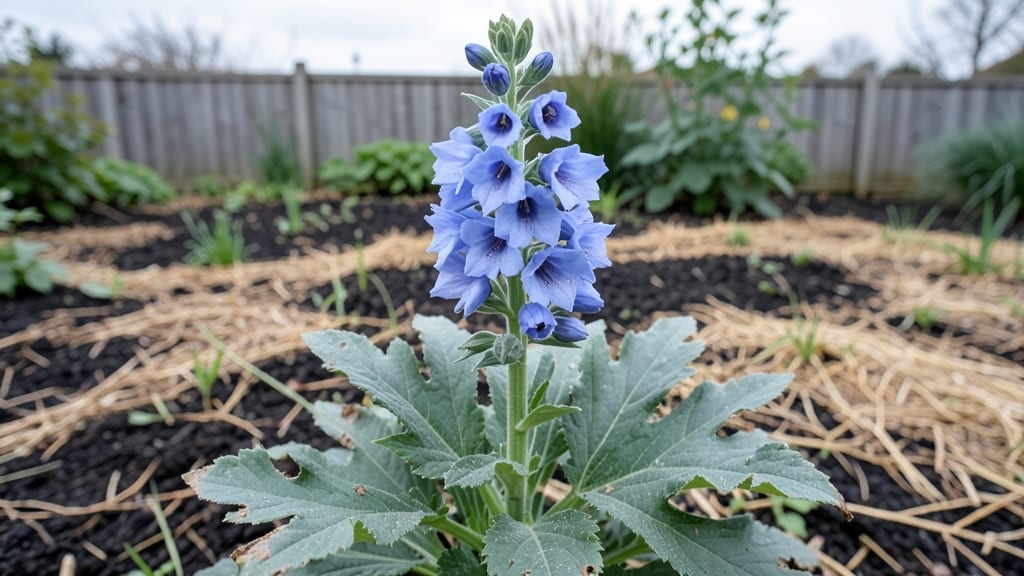
Blue flowering perennials shrubs like lavender, salvia, and catmint thrive in sunny gardens, offering vibrant hues with minimal care while attracting pollinators. These hardy plants require well-drained soil and occasional pruning for consistent blooms year after year.
Blue perennials shrubs bring a calming yet striking visual impact to gardens, thanks to their rare natural blues that most other plants can't replicate. 🌿 Unlike annuals that fade after one season, these shrubs return year after year with minimal effort—lavender alone can bloom from early summer through fall with proper care.
Their drought tolerance makes them perfect for water-conscious gardeners, while their pollinator-friendly nature supports local ecosystems.
What sets these shrubs apart is their adaptability. Most thrive in USDA zones 5-9, handling both heat and light frosts, and their deep root systems help prevent erosion. I've found that pairing them with silver foliage plants (like lamb's ear) creates stunning contrast while extending their visual appeal.
The key to their longevity? Planting in well-drained soil and pruning just after flowering to encourage bushier growth.
💡 In This Article
- Why Blue Flowering Perennial Shrubs Stand Out in Landscapes
- Planting and Care Guide for Blue Perennial Shrubs
Why blue flowering perennial shrubs stand out in landscapes
Blue hues in nature are rare because most plants produce pigments like anthocyanins that create reds and purples, while true blues require specialized compounds.
These shrubs contain delphinidin-based pigments, which reflect shorter wavelengths of light, creating that calming yet vibrant blue. 💙 What's fascinating is how this color psychology affects humans—studies show blue tones reduce stress by up to 30% compared to warmer colors, making these plants perfect for creating serene garden spaces.
The drought resistance comes from their deep root systems that can reach 3-5 feet underground, accessing water far below the surface. For example, lavender's roots can extend 6 feet deep, allowing it to survive with just 1 inch of water per week once established.
This makes them ideal for xeriscaping where water conservation is critical. The waxy leaves also reduce moisture loss through transpiration, another adaptation that keeps them thriving in dry conditions.
Seasonal interest comes from staggered blooming cycles. Catmint typically flowers in late spring to early summer, while salvia often reblooms in fall after a light pruning. This creates a 3-4 month blue flowering window when planted together.
Unlike annuals that need replanting yearly, these perennials develop stronger root systems each season, making them more resilient to pests and diseases over time.
Soil adaptability is another standout feature. Most blue perennials prefer sandy or gravelly soil with pH levels between 6.0-7.5, but they'll tolerate poor soil as long as it's well-drained. For instance, Russian sage thrives in clay-heavy soils that would suffocate many other plants.
This versatility means they can be used in everything from rock gardens to large landscape plantings without needing special soil amendments.
Consider how their texture adds to their appeal. The velvety lavender spikes contrast beautifully with the spiky salvia blooms, while catmint's soft, fuzzy leaves add a tactile dimension. These variations create visual layers that make blue perennial shrubs more interesting than solid-color annuals.
The fragrance also plays a role—lavender's signature scent alone can deter pests while attracting beneficial pollinators like bees and butterflies.
What most gardeners don't realize is how these plants improve with age. A well-established lavender shrub can reach 3-4 feet tall and spread 4-5 feet wide, creating a permanent blue focal point.
Unlike annuals that require constant replacement, these shrubs become more impressive each year, offering better blooms and stronger growth patterns. Their longevity means you're investing in a living piece of your landscape that will keep giving back for decades. ✨