
Planting
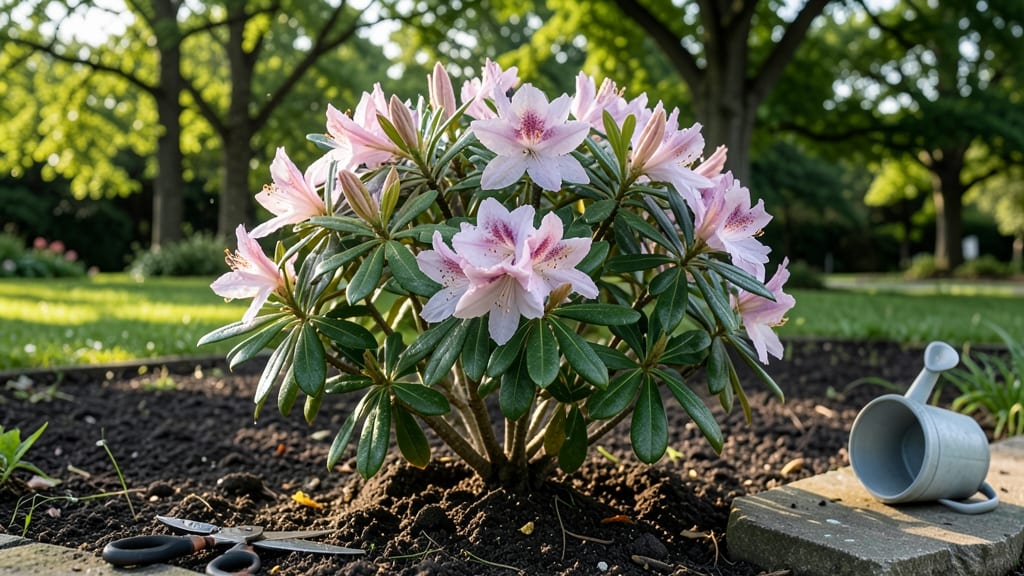
Azaleas flowering plant turns your yard into a living watercolor painting when you nail the acid-loving soil and light balance. 🌸 I’ve had azaleas explode with color for months at a time—even in summer—by treating them like the finicky divas they are.
The secret isn’t complicated: they demand rich, acidic soil, morning sun, and a pruning schedule that keeps them from getting leggy.
You’ll need well-draining soil with a pH between 4.5 and 6.0, a spot with 4 to 6 hours of morning sunlight, and a watering routine that keeps the roots moist but never soggy.
Most people overwater or prune at the wrong time, which is why their azaleas look half-dead by July. I’ll show you exactly when to cut back—after the blooms fade—and how to feed them without burning the roots.
By following these steps, you’ll get azaleas that burst with blooms from spring through summer, with some varieties even putting on a second show in fall. The flowers come in every color except blue, and the glossy leaves add lush green texture year-round.
Once you see your first flush of blooms, you’ll understand why gardeners fight over these plants.
Works for both in-ground plantings and large containers, and I’ll cover how to troubleshoot common issues like yellowing leaves or sparse blooms. Let’s get those azaleas thriving!
📚 In This Guide
- What you need
- Instructions
- Tips and common mistakes
- Wrapping up and next steps
What you need
- ● Azalea plants: Choose between rhododendron (evergreen) or deciduous varieties (e.g., Rhododendron simsii for container growing). Quantity: 1-3 plants per 4-6 sq. ft. of space (or 1 per 12-inch container).
- ● Well-draining soil: Acidic pH (4.5–6.0). Use a mix of: 50% peat moss or coco coir
- ● 30% pine bark fines
- ● 20% perlite or sand (for aeration)
- ● Organic mulch: 3–4 inches of pine straw, pine bark, or leaf mold (avoid wood chips—they raise pH).
- ● Slow-release fertilizer: Acid-loving plant formula (e.g., Miracle-Gro Azalea, Camellia & Rhododendron). Amount: 1–2 tbsp per plant (spring/fall).
- ● Garden trowel or shovel (for transplanting)
- ● Pruning shears (sterilized with rubbing alcohol)
- ● pH testing kit (to monitor soil acidity)
- ● Watering can or hose with a gentle spray nozzle
- ○ Containers (optional): 12–18-inch pots with drainage holes (terracotta or plastic).
- ● Sunlight: Partial shade (3–6 hours of morning sun; avoid harsh afternoon rays).
- ● Temperature: Ideal range: 50–75°F (25–24°C). Most azaleas tolerate light frost but avoid extreme heat (>85°F/30°C).
- ● Humidity: Moderate to high (mist leaves in dry climates or use a pebble tray).
- ● Epsom salt (1 tbsp in 1 gallon of water monthly for magnesium boost)
- ● Liquid iron supplement (for yellowing leaves)
- ● Azalea-friendly companion plants (e.g., ferns, hellebores, or pieris)
- ● Automatic drip irrigation system (for container gardens)
Step-by-step guide for year-round azalea care and blooming
Here's how to keep your azaleas vibrant and flowering season after season—no mystery involved.
🌱 Step 1: Choose the Right Location and Soil
Azaleas thrive in partial shade—think morning sun and afternoon shade—especially in hotter climates. A spot with 4-6 hours of filtered light prevents leaf scorch while ensuring enough energy for blooms. I always test the soil first: azaleas love acidic soil (pH 4.5-6.0)—if yours is too alkaline, the plants struggle to absorb nutrients.
Use the 4 gallons of peat moss mixed with 2 gallons of pine bark fines to create a well-draining, acidic medium. Amend garden soil with these materials if planting outdoors, or use them directly in containers. The key is keeping roots cool and moist but never waterlogged—azaleas hate soggy feet.
☀️ Step 2: Plant at the Correct Depth and Mulch
Dig a hole twice as wide as the root ball but no deeper—azaleas resent buried stems. Gently loosen the roots if they’re circling and position the plant so the top of the root ball sits 1 inch above soil level. This prevents water from pooling around the stem, which causes rot.
Backfill with your amended soil, tamping lightly to remove air pockets. Spread the 3 gallons of mulch (pine straw or bark) over the root zone, keeping it 2-3 inches thick but 6 inches away from the trunk. Mulch retains moisture and mimics the acidic forest floor azaleas evolved in. Water deeply after planting to settle everything.
💧 Step 3: Water Deeply and Maintain Consistent Moisture
Azaleas need 1-1.5 inches of water weekly, but deep watering (soaking the root zone) is better than frequent shallow drinks. Check moisture by sticking your finger 2 inches into the soil—if it’s dry, water again. I use a soaker hose to avoid wetting leaves, which reduces fungal diseases like powdery mildew.
Never let azaleas dry out completely, but avoid soggy soil too. Yellowing leaves often signal overwatering, while crispy edges mean underwatering. In containers, you’ll need to water every 2-3 days in summer, as pots dry out faster. Adjust based on your climate—hotter days mean more frequent watering.
✂️ Step 4: Prune After Blooming and Fertilize Seasonally
Prune azaleas right after flowering (late spring) to shape the plant and encourage next year’s blooms. Remove dead or crossing branches first, then trim back leggy growth to just above a leaf bud. Never cut into old wood—azaleas bloom on new growth, so pruning too late in the season cuts off next year’s flowers.
Feed with the 1 pound of azalea-specific fertilizer (high in phosphorus for blooms) twice a year: once in early spring (as buds form) and again after pruning. I scatter the granules over the root zone and water deeply to activate them. Avoid high-nitrogen fertilizers—they promote leafy growth at the expense of flowers.
🪴 Step 5: Protect from Pests and Winter Conditions
Watch for lace bugs, spider mites, or azalea bark scale—these pests suck plant juices and weaken blooms. I spray with neem oil (mixed per label) at the first sign of sticky leaves or tiny webs. For containers, inspect the undersides of leaves weekly, as pests hide there.
In winter, azaleas need protection from drying winds and freezing temps. Wrap containerized plants with burlap or move them to a sheltered spot. For outdoor plants, add an extra 2 inches of mulch before the first frost. Azaleas are somewhat cold-hardy, but sudden temperature swings (like late winter thaws followed by freezes) can damage buds—monitor your local forecast and cover plants if frost is predicted.
Tips & tricks for perfect azalea blooming year-round
These practical tips will help you avoid common pitfalls and keep your azaleas thriving with vibrant blooms all season long.
Soil pH Matters: Testing your soil's acidity is non-negotiable for azaleas. Use a simple pH test kit—aim for that 4.5-6.0 range. If your soil tests higher, amend it with the 4 gallons of peat moss and 2 gallons of pine bark fines as directed. I've seen azaleas struggle in alkaline soil, even when everything else seemed perfect. The nutrients just won't absorb properly without that acidity.
Planting Depth Secret: That 1-inch above soil level positioning for the root ball is crucial. Too deep, and you'll suffocate the plant; too shallow, and it won't anchor properly. I always check by making sure the top of the root ball sits just above where the surrounding soil will settle after watering. This small detail prevents root rot and ensures strong establishment.
Watering Wisdom: The 1-1.5 inches weekly guideline is perfect, but timing matters too. Water in the early morning so leaves have time to dry before evening. This prevents fungal diseases like powdery mildew that can ruin your blooms. For containers, I've found checking moisture at 2 inches deep with your finger is more reliable than guessing—it's how I catch underwatering before the leaves show stress.
Pruning Precision: When you trim those leggy branches in Step 4, always cut just above a leaf bud. This ensures new growth will sprout from that spot. I learned this the hard way—cutting too close to old wood means no new blooms next season. And remember, never prune after summer—you'll be cutting off next year's flower buds without even knowing it.
Pro Tips for Azalea Flowering Plant
- These practical tips will help you avoid common pitfalls and keep your azaleas thriving with vibrant blooms all season long.
- Soil pH Matters: Testing your soil's acidity is non-negotiable for azaleas.
- Planting Depth Secret: That 1-inch above soil level positioning for the root ball is crucial.
Frequently asked questions
Got questions about keeping your azaleas blooming beautifully? Here are some of the most common ones—and their answers!
When do azaleas typically bloom, and how long do the flowers last?
Most azaleas bloom in spring (April–June), though some varieties flower in fall (September–October). With proper care, blooms can last 3–6 weeks. For extended color, choose evergreen types like Rhododendron hybrids—they keep foliage year-round!
Why aren’t my azaleas flowering this year?
Common culprits include over-fertilizing with high-nitrogen feed (promotes leaves, not blooms), too much direct sun, or poor drainage. Azaleas need acidic soil (pH 4.5–6.0) and partial shade. Try a balanced, acid-loving fertilizer in early spring for next year’s blooms!
Can I grow azaleas in containers? What’s the best soil mix?
Use a well-draining mix like 50% peat moss, 30% pine bark, and 20% perlite. Containers dry out faster, so water daily in summer and ensure pots have drainage holes. Repot every 2–3 years to refresh nutrients.
Are azaleas prone to pests? How do I prevent or treat infestations?
Watch for lacewings, spider mites, or scale insects. Prevent pests with neem oil sprays or insecticidal soap. For severe cases, use systemic granules (like Imidacloprid) in early spring. Healthy plants resist pests better—keep them well-watered and pruned!
Can I prune azaleas after they bloom? What’s the best time?
Prune right after flowering (late spring) to shape the plant and encourage next year’s blooms. Avoid heavy pruning—stick to light trimming of dead or overgrown branches. Use clean, sharp shears to prevent disease. Never prune in fall or winter—it removes next year’s flower buds!
Wrapping up and next steps
Transforming your space with azalea flowering plants is a rewarding journey—one that brings vibrant color and life to your garden year after year! 🌸 With the right care, soil, and a little patience, these stunning blooms will thrive and dazzle you with their seasonal beauty.
Whether you're a beginner or a seasoned gardener, the key is consistency and attention to their unique needs.
Ready to take the next step? Start by planting your azaleas this season and watch your garden flourish! 🌱 Need more inspiration? Explore our guide on creating a vibrant azalea-themed garden or join plant-loving communities to share your progress.